 DECISION
Should you sleep or revise for one more hour?
It is late, the exam is tomorrow, and you are torn. What sleep does for memory and attention, and a practical way to decide whether one more hour is worth it.
When revision feels overwhelming or exam worries take over, finding a starting point can help. Explore articles on exam stress, practical study guides, and ways to ask for support.
Find help with exam stress
A 10-question perceived stress questionnaire about the last month. Learn how PSS-10 scoring works and why it has no diagnostic cutoffs.
Understand the DASS-21 depression, anxiety, and stress scores, the doubling rule, severity ranges, and limits during exam season.
Understand the GAD-7 anxiety questionnaire, its 0–21 score range, result bands, and limits during exam season.
A longer look at high standards, concern over mistakes, and the pressure those create.
Read about exam worries, going blank, sleep, and how to recognise when pressure is becoming too much.
Browse articles 02Plan revision with room for rest, explore calming techniques, or prepare to talk to a teacher about how you feel.
Explore the guides 03Understand what stress, anxiety, and sleep questionnaires measure and their limits. Follow links to take them on LuriaLab.
Read assessment explainers
DECISION
It is late, the exam is tomorrow, and you are torn. What sleep does for memory and attention, and a practical way to decide whether one more hour is worth it.
OVERVIEW
What exam stress is, how it can show up, what tends to make it heavier, and where to start today, while preparing, or when you need support.
 SUPPORT
When exam stress needs more than self-help, who you can talk to, what a first appointment might involve, and what to do if you need help urgently.
 EXPLAINER
You recognise the question, but the answer will not come. Here is what may be happening, a way to get started again, and how to practise for next time.
Plan two weeks around the time you actually have. Includes a worked timetable, a way to restart after missed days, and a separate printable planning pack.
Three discreet techniques for the minutes before an exam, chosen by what you notice most, with an honest note on what the research shows. Includes a printable pocket card.
A short message you can copy, what to ask for, how to raise privacy, and what to do if the first conversation does not help. Includes a printable conversation sheet.
Explore questionnaires about stress, anxiety, and sleep. Read what each one can tell you and why a score alone cannot give you a diagnosis.
 REVIEW
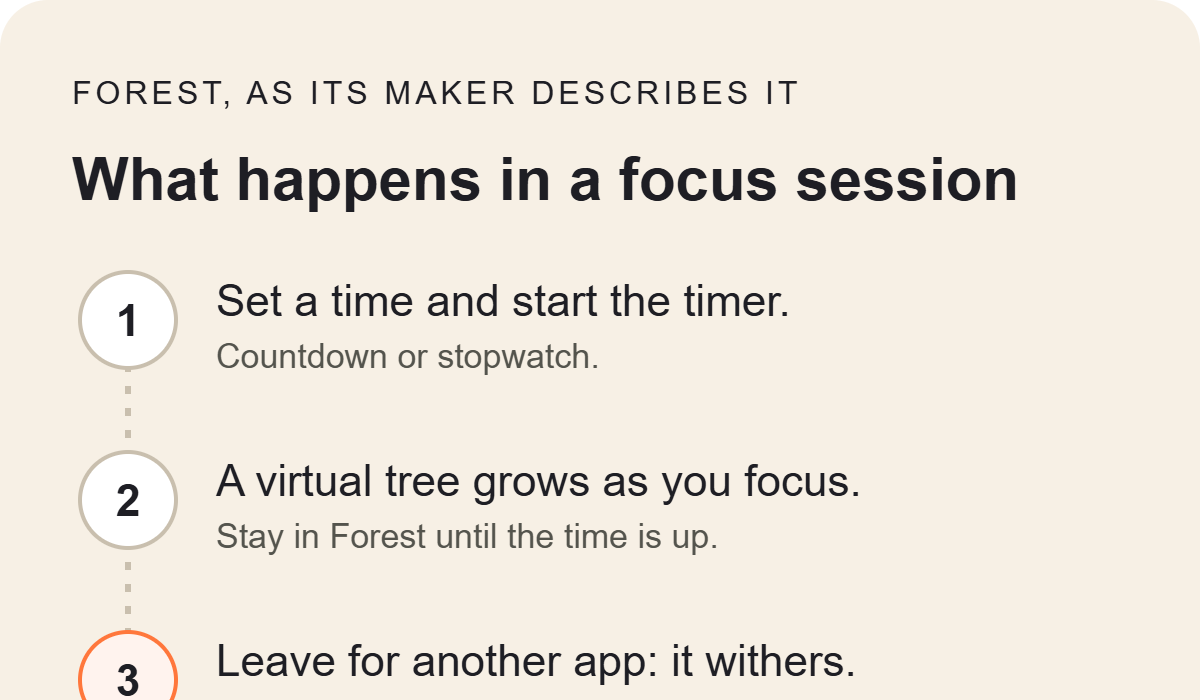
A focus timer that grows a virtual tree while you stay off your phone. What the free version does, what Plus adds, and whether it suits exam revision.
 REVIEW
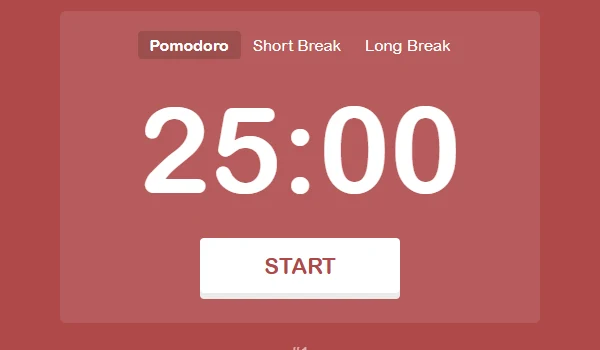
A free browser timer with a task list. We checked the defaults, what needs an account, and what premium adds, and whether it helps you start revising.
 REVIEW
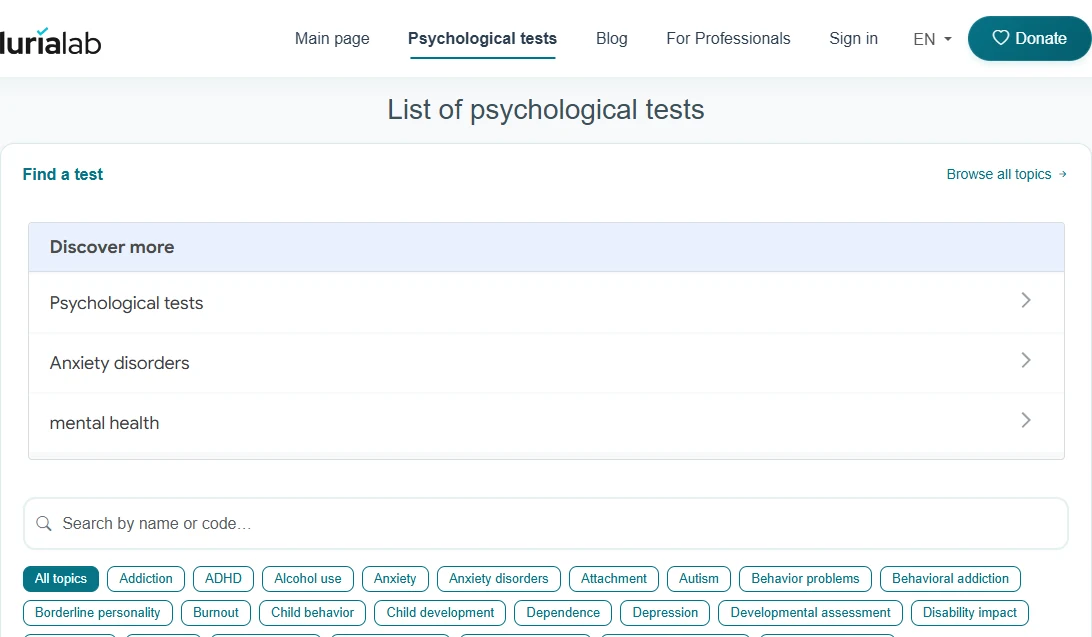
A free library of stress, anxiety, and sleep questionnaires. How a test starts, what results mean, who it suits, and what to know about age and privacy.
 REVIEW
A paid meditation and sleep app with a large student discount for some. Who qualifies, what happens when the discount ends, and whether it fits exam season.
 REVIEW
A free flashcard app that schedules reviews for you. What it costs on each device, how much setup it takes, and whether it is worth starting close to an exam.
 REVIEW
A meditation and sleep app with a useful free tier. What is free, what Premium adds, and whether it helps you wind down during exam season.
If exam stress feels hard to manage, talk to someone you trust, a teacher, a counselor, or a healthcare professional. Find support in your country or explore the exam stress resources below. If you or someone else is in immediate danger, contact local emergency services.
ExamStressCheck helps students, parents, and teachers explore exam stress and find practical next steps. Our articles, guides, tool reviews, and assessment explainers are educational resources and do not replace professional care.
About ExamStressCheck ↗People under exam pressure are not short on slogans. They are short on a clean picture of what their body and attention are doing.
Every piece should leave you with something you can do today: a script, a boundary, a question to ask, a thing to stop.
Stress is common. Blanking is common. Asking for help is a skill. We do not write as if calm were a moral achievement.
We are an editorial desk, not a clinic. When a topic needs a professional, we say so in ordinary language.
No. Articles, guides, and self-checks here are educational. They can help you notice patterns and choose a next step. They are not a diagnosis, a treatment plan, or a substitute for a clinician, counselor, or your school’s support services.
Students in secondary school, college, and professional exams; parents who want to help without raising the temperature; and teachers who need language that does not collapse into “work harder.” The tone is adult. The reading level stays plain.
Read the page first so you know what the scale measures. Then take it on LuriaLab — we do not host the questions here. Answer for the time window the scale names, not for the worst hour of your life. If scores sit high, or if eating, sleep, or safety are slipping, talk to a GP, school counselor, or local mental-health service.
Each review says what we checked, when, and how, and separates what a company says about itself from what we saw. Prices and features change, so every review gives the date its details were checked. If a review is sponsored, it will be labeled. There are no star ratings or scores.
Yes. Link to the piece rather than copying it wholesale, and keep the disclaimer attached. If you are a teacher, the guides are meant to be usable in a short conversation, not as a full pastoral programme.